
Substitute for Eggs in Baking: The Complete Guide
Run out of eggs halfway through a recipe, or trying to bake for someone who can’t eat them? Either way, there’s a good substitute for eggs in baking for almost every situation. Whether you need a vegan egg substitute specifically, or you’re just figuring out how to bake without eggs because the shop was out, the right swap depends on what your recipe actually needs from the egg in the first place.
The trick is that eggs don’t do one job, they do several, and so the best egg substitute depends entirely on which job your recipe is actually asking them to do. Grab a banana, some flax, or a tin of chickpeas & let’s sort out exactly what you need.
Table of Contents
What Does Egg Do in Baking?
Before picking a substitute for eggs in baking, it helps to know what you’re actually replacing. Eggs do three main jobs in a recipe, and most bakes lean on one or two of them more than the others.
Binding holds things together, stopping your cookies or veggie burgers from falling apart the second they leave the tray. Leavening is about lift, the air eggs trap and release as a bake rises in the oven. And moisture and richness is exactly what it sounds like, keeping a cake or quick bread tender instead of dry and crumbly.
Most recipes lean on a combination of these, but one job usually matters more than the others. Work out which one yours needs, and the right substitute becomes pretty obvious.

Best Egg Substitutes for Binding
If your recipe needs eggs to hold things together, like cookies, burgers, or a meatloaf, these are your best bet, and most of them double as a reliable vegan egg substitute too which is handy.
1. Flax egg
Ground flaxseed and water make one of the easiest binders to keep stocked. Mix one tablespoon of flaxseed with three tablespoons of water and let it sit for about ten minutes until it goes thick and gel-like. It has a mild flavour that disappears into most bakes, and it’s definitely one of the most reliable substitutes for eggs in baking when structure matters more than rise.
2. Chia egg
Same idea as flax, but with chia seeds instead, and the same one tablespoon to three tablespoons of water ratio. It gels up the same way, though it can leave a slightly speckled, gritty texture depending how finely the seeds are ground. I quite like the speckles, personally, but I know not everyone’s a fan.
3. Chickpea flour + water
This one doubles up nicely, since chickpea flour gives you both binding and a bit of protein. Whisk equal parts chickpea flour and water, about three tablespoons each, until smooth, and let it sit for five minutes to thicken. It works well in savoury bakes too, not just sweet ones.
4. Silken tofu
Tofu’s not the first thing people reach for, but you can blend a quarter cup until completely smooth and use it in place of one egg. It adds a lovely creaminess, which makes it especially good in brownies, dense cakes, and cheesecakes, basically anywhere a slightly fudgier texture is a bonus.
5. Gelatin
For custards and puddings specifically, gelatin is the better binder. Mix a couple of teaspoons with a tablespoon of boiling water, then use about three and a half tablespoons of that mixture per egg. This one isn’t vegan or vegetarian-friendly, since it’s usually made from animal collagen.
6. Sweetened condensed milk
A quarter cup in place of one egg adds structure as well as a noticeable sweetness, so it works best in cakes and muffins where you’re happy to dial back the sugar elsewhere in the recipe to compensate.
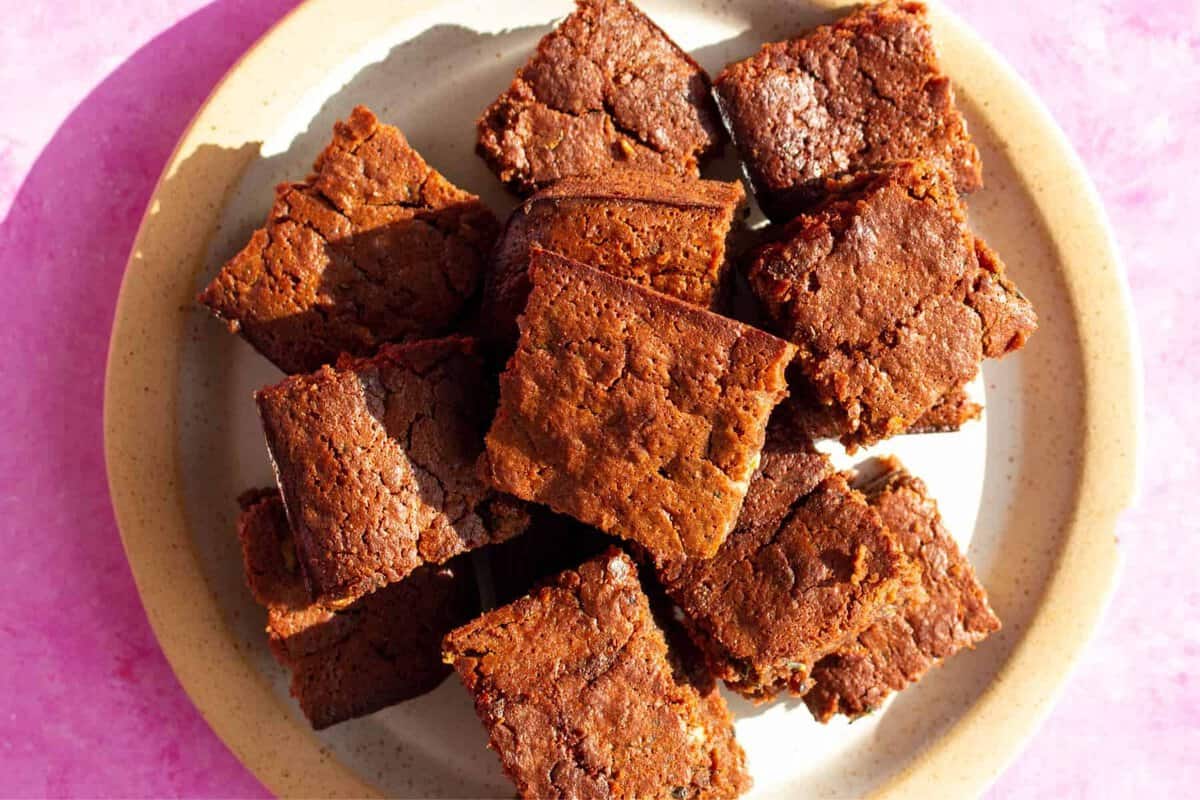
If you want to see these in action, try them in Chewy Banana Bread Cookies, Chocolate Chip Microwave Cookies and Simple & Easy Brownies.
Best Egg Substitutes for Lift and Leavening
When eggs are mostly there to help something rise, light cakes, muffins, pancakes, these substitutes do the job without weighing the bake down. Most of them make a solid substitute for eggs in baking when rise matters more than anything else.
7. Baking powder + oil + water
This trio mimics the lift eggs give without adding any flavour of its own. Whisk together two tablespoons of water, two teaspoons of baking powder, and one teaspoon of neutral oil for each egg. It gives a good lift, which makes it a solid all-rounder for cakes & quick breads.
8. Vinegar and baking soda
The fizzing reaction here does the same job an egg would in a light sponge. Combine one tablespoon of vinegar with one teaspoon of baking soda per egg, and use it straight away while it’s still fizzing. It won’t bind much, so pair it with something else if your recipe needs both lift and structure.
9. Carbonated water
Just swap in a quarter cup of sparkling or soda water per egg. It adds lift without bringing any flavour or colour of its own, and it’s an easy substitute to keep on hand since most kitchens already have it.
10. Aquafaba
This is the liquid from a tin of chickpeas, and it’s become a favourite vegan egg substitute. Use three tablespoons per whole egg, or whip it first if you want something closer to beaten egg whites for meringues or mousses. Aquafaba can actually hold a foam, making it great for anything that needs volume.
This Lemon Drizzle Cake and this Vanilla Sponge Cake both rely on beaten egg for lift, and these Chocolate Crinkle Cookies get their fudgy structure the same way.

Best Egg Substitutes for Moisture and Richness
For cakes, banana bread, and anything that just needs to stay soft and tender, reach for one of these. If you’re after an egg substitute for cake specifically, this is the section to start with, since moisture is usually what a cake needs most.
11. Applesauce
A quarter cup of unsweetened applesauce per egg adds moisture and a touch of natural sweetness. It’s an easy swap that won’t change the flavour much, though it can make the finished bake a little denser.
12. Mashed banana
Also a quarter cup per egg, and this one does bring its own flavour along with the moisture, so it works best where banana actually makes sense, think banana bread, spiced cakes, or chocolate muffins.
13. Yogurt or buttermilk
If you use a quarter cup of either in place of one egg, it adds creaminess and helps keep things tender. Standard yogurt and buttermilk obviously aren’t vegan, so if that matters for your bake, a plant-based yogurt works just as well in the same ratio.
14. Pumpkin puree
Just a quarter cup per egg brings moisture and a subtle sweetness & it’s a good match for autumn bakes like spice cake or pumpkin bread, where the flavour is already heading in that direction.
15. Nut butter
Almond, cashew, or peanut butter all work the same way here. Use three tablespoons of any smooth one in place of one egg, and you’ll get a noticeably richer & nuttier result. This works best in things like brownies or cookies where a nutty note is welcome.
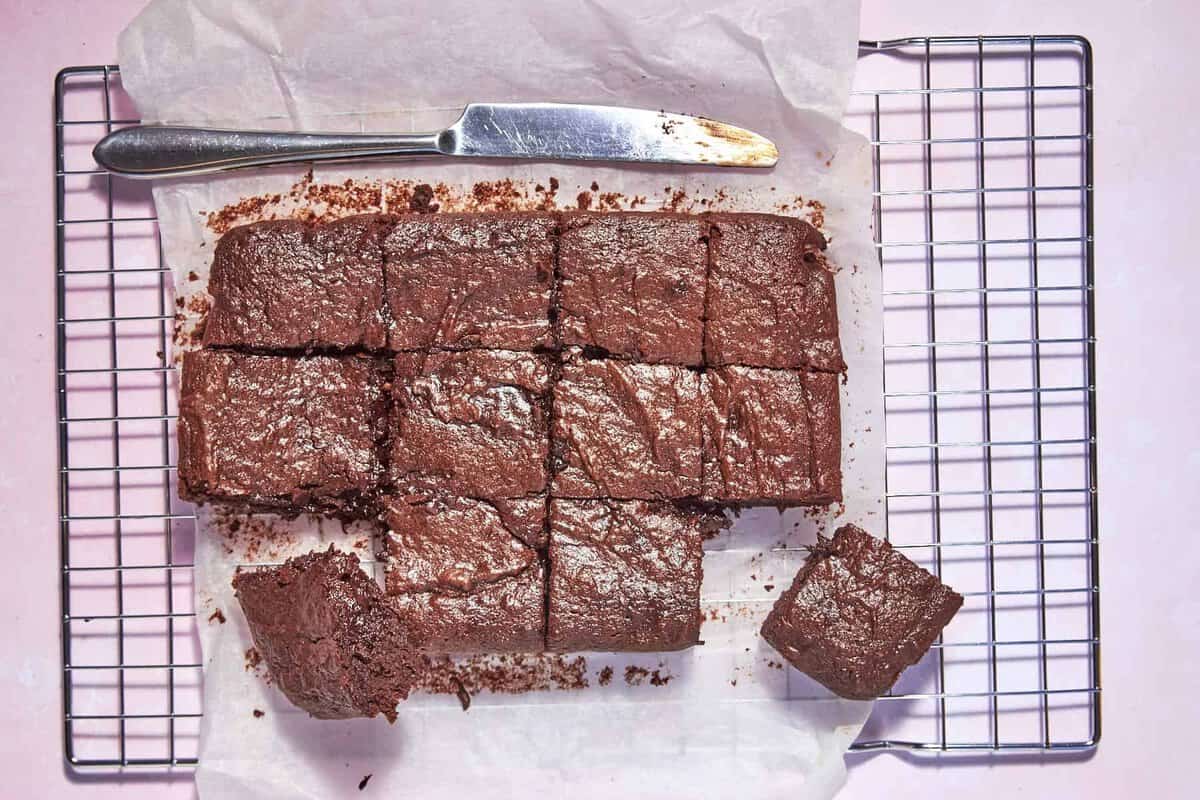
The Banana Blueberry Muffins use banana for moisture, Lemon Muffins with Drizzle do the same with yogurt, and these Sweet Potato Brownies use mashed sweet potato instead.
Best Commercial Egg Replacers
If you’d rather not do any maths in the kitchen, a commercial egg replacer is the easiest substitute for eggs in baking. These are shelf-stable powders, usually a blend of starches and a leavening agent, designed to do a bit of everything at once.
Bob’s Red Mill Egg Replacer is widely available and easy to find in most UK supermarkets and health food shops. Ener-G and Orgran are two other well-known brands that work in much the same way. All three are mixed with water following the instructions on the pack, usually around one and a half teaspoons of powder to two or three tablespoons of water per egg, and they’re designed to work across a wide range of recipes.
Egg Substitutes If You’re Vegan or Allergic
If you’re looking for a vegan egg substitute or an egg allergy substitute, almost everything above already has you covered. Aquafaba, flax egg, chia egg, chickpea flour, and any of the commercial egg replacer powders are all completely egg-free. Any of these makes a safe substitute for eggs in baking for both situations, just check the small print on packaged products to be sure.
Be careful though, as not every product labelled “egg substitute” actually avoids eggs. The cartons you’ll sometimes find in the chilled section, aimed at people watching their cholesterol, are usually made partly from real egg whites, so they’re not a true egg allergy substitute and they’re not a vegan egg substitute either. If either of those applies to you, look for an egg replacer powder specifically.
Egg Substitute Ratios at a Glance
Here’s every substitute for eggs in baking from this guide in one place, so you’re not scrolling back through trying to find the one you need.
- Flax egg: 1 tbsp ground flaxseed + 3 tbsp water = 1 egg
- Chia egg: 1 tbsp chia seeds + 3 tbsp water = 1 egg
- Chickpea flour: 3 tbsp flour + 3 tbsp water = 1 egg
- Silken tofu: ¼ cup blended = 1 egg
- Gelatin: 2 tsp gelatin + 1 tbsp boiling water, use 3½ tbsp = 1 egg
- Sweetened condensed milk: ¼ cup = 1 egg
- Baking powder, oil, and water: 2 tsp baking powder + 1 tsp oil + 2 tbsp water = 1 egg
- Vinegar and baking soda: 1 tbsp vinegar + 1 tsp baking soda = 1 egg
- Carbonated water: ¼ cup = 1 egg
- Aquafaba: 3 tbsp = 1 egg
- Applesauce: ¼ cup = 1 egg
- Mashed banana: ¼ cup = 1 egg
- Yogurt or buttermilk: ¼ cup = 1 egg
- Pumpkin puree: ¼ cup = 1 egg
- Nut butter: 3 tbsp = 1 egg
- Commercial egg replacer: follow pack instructions, usually around 1½ tsp powder + 2-3 tbsp water = 1 egg
This egg substitute ratio list is a general guide, not gospel. The exact amount can shift slightly depending on the recipe, so if your first attempt isn’t quite right, try a slightly different amount before giving up on a substitute altogether.
Substitute for Eggs in Baking FAQs
Flax egg or chia egg, most of the time. Cookies rely on eggs mostly for binding, not lift, and both hold the dough together nicely without making the cookies cakey, which is what happens when you reach for a substitute that adds too much moisture instead.
For recipes where rise matters most – like cakes, muffins, or light sponges – aquafaba & the vinegar + baking soda combo tend to win out. Both mimic the lift eggs provide, which is where most other substitutes fall short.
Sometimes, especially if it’s only calling for one egg and there’s already plenty of moisture elsewhere in the mix. But the more eggs a recipe calls for, the more you’ll notice if you skip them, so it’s safer to use one of the swaps above for anything that depends on structure to hold its shape.
Not always. Some bakers find aquafaba is the best egg substitute they’ve tried, while others have had better luck with a simple carbonated water swap instead. The right choice really does come down to the specific recipe and a bit of trial and error, so don’t be put off if your first go isn’t perfect.