
Foods Starting with Z: 40 Foods That Begin with Z
Trying to think of foods starting with Z? You’d be surprised how many there are. Z is one of those letters that feels impossible at first, and then you start listing them and can’t stop. From the zucchini sitting in your fridge right now to obscure Polish street food and centuries-old Italian desserts, there are foods beginning with z from pretty much every corner of the world.
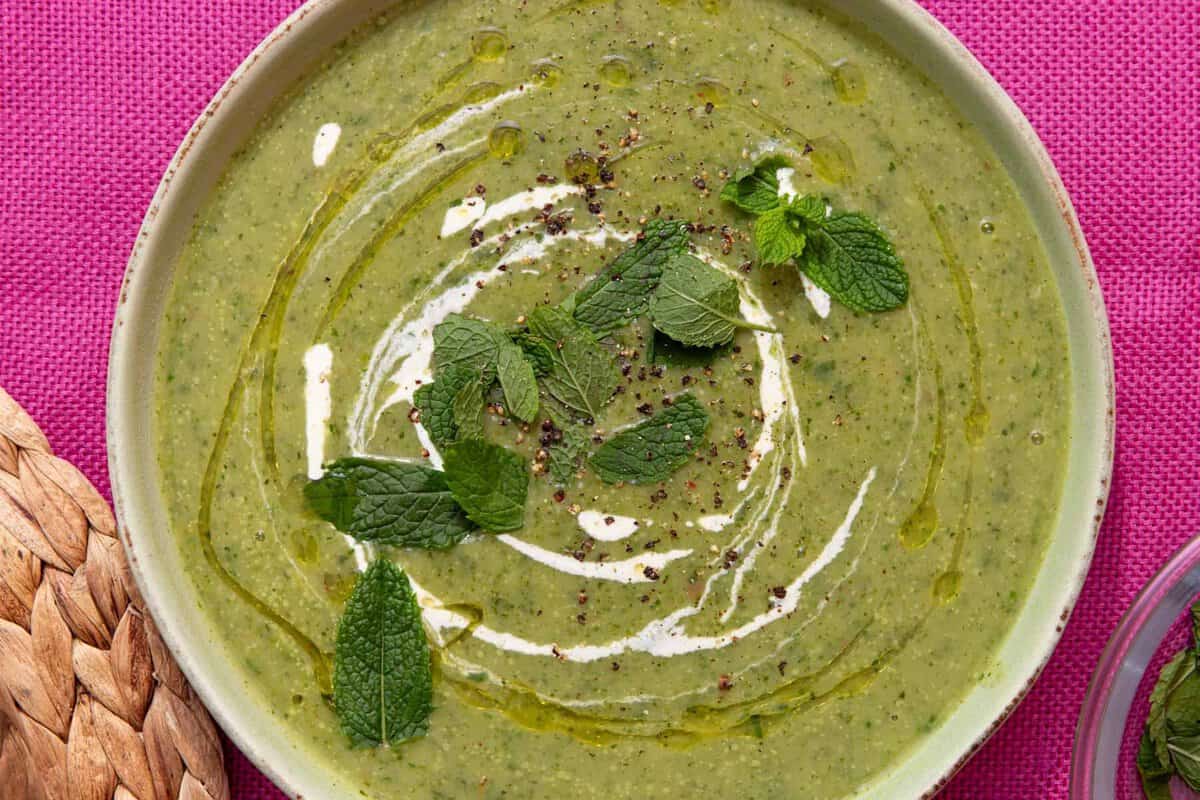
Table of Contents
Vegetables That Start with Z
1. Zucchini (Courgette)
The undisputed king of z vegetables. Zucchini (or courgette, as it’s called in the UK) is a summer squash with a mild flavour and satisfying texture that works in pretty much everything. You can roast it, griddle it, spiralise it, toss it into pasta, bake it into bread, or blitz it into a silky zucchini soup that costs less than a pound a portion. It’s low in calories, high in vitamins, and one of the most budget-friendly vegetables.
2. Zucchini Flowers
Zucchini flowers are the edible blossoms that grow from the zucchini plant. You’ll often see them stuffed with ricotta, battered, and fried in Italian cooking. They’re delicate, a bit sweet, and beautiful on a plate. They’re more of a seasonal treat than an everyday ingredient, but if you spot them at a farmers’ market, grab them.
3. Zha Cai
Zha cai is a pickled mustard plant stem from China, preserved with chilli paste and salt. It has a crunchy, slightly funky flavour. You’ll find it in sachets at Asian supermarkets, and it’s great stirred through noodle soups or scattered over plain rice for flavour.
Fruits That Start with Z
4. Zante Currants
Despite the name, zante currants aren’t actually currants, they’re tiny dried grapes made from Black Corinth grapes, one of the oldest varieties in existence, thought to have been cultivated in ancient Greece. They’re smaller and sweeter than regular raisins, and they’re the ones you’ll find in a proper hot cross bun or a good Christmas cake. Worth keeping in the baking cupboard.
5. Zapote (Sapote)
Zapote is a tropical fruit native to Central America with smooth brown skin and bright orange flesh. The texture is similar to a very ripe avocado, creamy & slightly stringy. It’s eaten fresh or blended into smoothies and isn’t something you’ll stumble across in a supermarket, but it’s worth seeking out if you’re curious.
6. Zinfandel Grapes
Zinfandel grapes are black-skinned wine grapes most famous for producing Zinfandel wine, particularly in California. They can also be eaten fresh or used in cooking. Their jammy sweetness makes them a great addition to chutneys and sauces.
Spices, Herbs and Seasonings That Start with Z
7. Za’atar
Za’atar is a Middle Eastern spice blend built around dried thyme or oregano, toasted sesame seeds, sumac, and salt. It has a herby, tangy flavour that works as a dry rub, stirred into yogurt, drizzled over flatbread with olive oil, or mixed into salad dressings. You can find it in most supermarkets now, and once you’ve got a jar in the cupboard you’ll use it constantly. Try rubbing it over chicken thighs before roasting, or use it alongside the marinade in these oven baked salmon steaks for a Middle Eastern twist.
8. Zest
Technically not a food on its own, but citrus zest, which is the outermost layer of lemon, lime, or orange peel, is one of the most powerful flavour tools in the kitchen. It contains the fruit’s essential oils, which are far more intense than the juice. A teaspoon of lemon zest can do more for a cake than a whole lemon’s worth of juice. My favourite lemon drizzle cake relies on it for that citrusy depth.
9. Zhenjiang Vinegar
Zhenjiang (or Chinkiang) vinegar is a dark Chinese rice vinegar with a mellow, slightly smoky flavour that’s much less sharp than regular vinegar. It’s used in dipping sauces, braises, and noodle dishes – a small splash goes a long way. If you make Chinese food at home, this is worth tracking down in the Asian aisle.
10. Zingiber (Ginger)
Zingiber officinale is the botanical name for ginger, that knobbly root that turns up in everything from stir fries to bakes. Most people don’t think of it as a z food, but technically it qualifies. Fresh ginger has a warm bite that’s completely different from dried ground ginger. Use it grated into the sauce of a beef udon stir fry for some aromatic warmth.
Pasta and Noodles That Start with Z
11. Ziti
Ziti is a smooth, tube-shaped pasta from southern Italy, similar to penne but longer and without the ridges. It’s the pasta of choice for baked dishes, where the tubes capture sauce and cheese inside and out. Baked ziti with sausage and tomato sauce is a classic American-Italian comfort food. If you love a hearty pasta bake, it’s the format to go for.
12. Zoodles
Zoodles are spiralised zucchini noodles – long, thin strands that stand in for pasta when you want a lighter meal. They don’t taste like pasta, but they’re not trying to. With a bold enough sauce they are AMAZING and they take about two minutes to cook. Toss them with pesto, chilli oil, or use them as a base for spicy chicken pasta in place of the regular noodles.
13. Zaru Soba
Zaru soba is a Japanese cold noodle dish where thin buckwheat noodles are cooked, chilled, and served on a bamboo mat (the zaru) with nori and a soy-based dipping sauce. It’s a dish that seems minimal but is super satisfying, since the noodles have a nutty flavour and a pleasing chew. It’s popular in summer in Japan as a quick refreshing meal, just like these healthy noodle bowls.
14. Zaru Udon
The udon equivalent of zaru soba – thick, chewy wheat noodles chilled and served with a dipping sauce of mirin, dashi, and soy. The noodles are much sturdier and more filling than soba, with a bouncy, satisfying texture. If you prefer your noodles hot and stir-fried, the same udon noodles work brilliantly in a yaki udon that’s ready in fifteen minutes.
Soups That Start with Z
15. Zuppa Toscana
Zuppa Toscana (literally “Tuscan soup”) is a hearty Italian sausage and potato soup loaded with kale, cannellini beans, and cream. The version most people know comes from the Olive Garden restaurant chain in the US, which turned it into a cult favourite. A big pot is an ideal winter dinner and costs very little to make, just like this roasted vegetable soup.
16. Zurek
Zurek is a traditional Polish sour rye soup made from fermented rye flour starter, smoked meats or sausage, and usually finished with a hard boiled egg. It has a tangy & savoury flavour that’s quite unlike anything in Western European cooking. It’s a staple of Polish Easter tables and a brilliant example of how fermentation can transform simple ingredients.
17. Zoni (Ozoni)
Zoni is the traditional Japanese New Year’s soup, and it’s a clear or miso broth containing mochi rice cakes, vegetables, and sometimes chicken or fish. Every region in Japan has its own version, with different broths and different shapes of mochi. The mochi turns soft and stretchy as it heats up, giving the soup a wonderfully comforting texture that’s unlike any other noodle or dumpling soup.
Dishes and Mains That Start with Z
18. Zarzuela
Zarzuela de mariscos is a Spanish seafood stew from Catalonia, a rich tomato broth with saffron and paprika, loaded with fish, prawns, mussels, and squid. Think of it as Spain’s answer to bouillabaisse, with a bit more smoke and heat. The depth of flavour in the broth is the whole point, and it pairs so well with crusty bread. If you love seafood dishes, the fish risotto on the blog uses a similar principle of letting the seafood cook in a flavoured base.
19. Zapiekanka
Zapiekanka is Poland’s unofficial national street food. It’s an open-faced toasted baguette piled with sautéed mushrooms, melted cheese, and sometimes ham, finished with a generous squeeze of ketchup. It sounds humble, but the combo really works. You’ll find it at street food stalls across Kraków and Warsaw, particularly late at night.
20. Zereshk Polo
Zereshk polo is a classic Persian rice dish made with saffron rice, dried barberries (zereshk), and usually served alongside braised chicken. The barberries are tiny, suuuper tart red berries that contrast the saffron-perfumed rice. It’s a dish that shows up at Persian celebrations and family gatherings, and it’s considered one of the great rice dishes of the world.
21. Zha Jiang Mian
Zha jiang mian is basically thick wheat noodles topped with a meaty, sweet-and-savoury fermented bean sauce, and a pile of julienned cucumber and carrot. It’s a popular Chinese street food and restaurant food in equal measure, beloved in Beijing and adapted across East Asia. If you enjoy bold noodles, you need to try these gochujang noodles.
22. Zelnik
Zelnik is a traditional pastry from the Balkans. We’ve got thin phyllo dough layered with spinach, feta, onion, and sometimes seasoned meat, then baked until golden and crisp. Different countries have their own version: Bulgaria, North Macedonia, and Bosnia all claim it.
23. Zampone
Zampone is an Italian speciality – a deboned pig’s trotter stuffed with seasoned ground pork, then slow-cooked until tender. It’s traditionally served with lentils on New Year’s Eve in Italy, where lentils are eaten for good luck.
24. Zwiebelrostbraten
Zwiebelrostbraten is an Austrian dish of sliced beef, usually sirloin, pounded thin, coated in flour, seared, and then served with a gravy made from the pan drippings and a pile of crispy fried onions on top. It’s proper old-school Central European comfort food, and often served with potatoes or rice.
Desserts and Sweet Things That Start with Z
25. Zabaglione
Zabaglione (also written zabaione) is an Italian dessert made by whisking egg yolks, sugar, and Marsala wine together over heat until you get a light, airy, warm custard. It can be served on its own, poured over fresh berries, or used as a sauce over cake.
26. Zeppole
Zeppole are Italian doughnuts or fritters. They’re airy balls of fried dough dusted with powdered sugar and sometimes filled with custard or pastry cream. They’re associated with Saint Joseph’s Day on 19 March, but you’ll find them at Italian street festivals and bakeries year-round.
27. Zebra Cake
A zebra cake is made by alternating spoonfuls of vanilla and chocolate batter in the tin before baking, creating a striped pattern through the centre when you cut it. It’s an amazing one to bake with kids, or try something easier like this vanilla sponge cake.
28. Zaleti
Zaleti are traditional Venetian biscuits made from cornmeal (polenta flour), flour, raisins, eggs, butter, and lemon zest. They’re crumbly and slightly grainy in texture – not a smooth, uniform biscuit but something more rustic and interesting. They’re traditionally served with coffee or a glass of sweet wine.
29. Zuccotto
Zuccotto is a chilled Italian dessert cake from Florence, traditionally shaped like a dome or small pumpkin (zuccotto means “little pumpkin”). It’s made from sponge cake soaked in liqueur and filled with ricotta, cream, or gelato, then set in a mould and sliced like a cake.
30. Zerde
Zerde is a saffron-infused rice pudding popular in Turkish, Persian, and Iraqi cuisines. It’s cooked with rice, sugar, saffron, and rosewater, and finished with pomegranate seeds and pistachios. It’s traditionally made for celebrations and special occasions.
31. Zimtsterne
Zimtsterne are traditional German Christmas biscuits – star-shaped, made from ground almonds or hazelnuts and spiced heavily with cinnamon (zimt means cinnamon in German). They’re iced with a stiff white meringue glaze that sets hard and glossy, and they’re one of the most recognisable festive biscuits in Central Europe.
Snacks, Street Food and Baked Goods That Start with Z
32. Zongzi
Zongzi are Chinese sticky rice dumplings wrapped in bamboo or reed leaves and steamed or boiled. They’re traditionally made and eaten during the Dragon Boat Festival, and the fillings vary by region – salted egg yolk, pork belly, red bean paste, mushrooms, and chestnuts are all common.
33. Zwieback
Zwieback is twice-baked bread – sliced, then baked again until dry and golden. The name comes from the German for “twice baked.” It’s slightly sweet and has a very satisfying crunch. In the UK and US it’s most commonly associated with babies and teething, but in Germany and Austria it’s a proper everyday snack eaten with butter or jam.
34. Zopf
Zopf is a braided Swiss and German bread made with a enriched dough – eggs, butter, and milk – then brushed with egg wash before baking to give it a golden glaze. It’s traditionally eaten on Sunday mornings in Switzerland.
35. Zagnut
Zagnut is a Hershey’s candy bar dating back to 1930. Basically, it’s a crunchy peanut butter centre coated in toasted coconut. It’s still made today, though it’s less widely available than it once was. If you enjoy Butterfingers, you’ll probably enjoy Zagnut.
36. Zingers
Zingers are Hostess snack cakes, like soft sponge cakes coated in flavoured icing, sold in vanilla, devil’s food, and raspberry varieties. They’re a well-known American convenience store staple and an icon of the packaged cake aisle.
37. Zwetschgenknödel
Zwetschgenknödel are plum dumplings from Austria, Germany, and surrounding regions. We have fresh plums cored and filled with a sugar cube, then wrapped in a potato or curd dough and boiled. Once cooked they’re rolled in buttery, cinnamon-spiced breadcrumbs.
38. Zweibelkuchen
Zweibelkuchen is a German savoury onion tart, similar to a quiche, with slow-cooked or caramelised onions, bacon, cream, and caraway seeds on a pastry or yeasted base. It’s a harvest-time and autumn speciality in Germany, typically eaten with a glass of new wine.
Other Notable Foods Beginning with Z
39. Zander
Zander is a freshwater fish native to Europe and parts of Asia, found in lakes, rivers, and reservoirs. It has white flesh with a clean flavour, somewhere between perch and pike. If you enjoy white fish, this oven baked fish recipe works with zander too.
40. Zizania (Wild Rice)
Zizania is the genus name for wild rice – not actually a rice at all, but the seed of aquatic grasses native to North America and East Asia. It has an earthy flavour and a chewier texture than regular rice. Native American communities harvested and ate it for centuries. It’s great in grain salads, mixed rice dishes, and soups.
For other food listicles, head over to my foods starting with j post and fruits that start with n to learn more.
Foods Starting with Z FAQs
Foods starting with z include zucchini, za’atar, ziti, zeppole, zabaglione, zaru soba, zarzuela, zebra cake, zwieback, zuppa toscana, zongzi, zereshk polo, and many more – see the full list above for all 40.
Zucchini (courgette) is by far the most widely known and used food beginning with z. It’s available in every supermarket, works in hundreds of recipes, and is one of the most budget-friendly vegetables around.
The most well-known vegetable starting with z is zucchini, also called courgette in the UK. Zucchini flowers are also edible, and zha cai is a pickled Chinese vegetable that starts with z.
Zante currants are the most common fruit starting with z – you’ll find them in baking aisles. Zapote is a tropical fruit starting with z, and zinfandel grapes also qualify.
Several great desserts start with z: zabaglione (Italian wine custard), zeppole (Italian fried doughnuts), zebra cake, zuccotto, zerde (saffron rice pudding), and zimtsterne (German Christmas star biscuits).
Well-known dishes starting with z include zarzuela (Spanish seafood stew), zuppa toscana (Italian sausage soup), zereshk polo (Persian saffron rice), zha jiang mian (Chinese noodles), zapiekanka (Polish street food toast), and zampone (Italian stuffed trotter).
Ziti is the most well-known pasta starting with z, and it’s a smooth tube pasta used in baked dishes. Zoodles (spiralised zucchini noodles) also start with z, though they’re a vegetable stand-in rather than a traditional pasta.