
Easy Sauteed Savoy Cabbage (The Best Way to Cook It)
Jump to Recipe


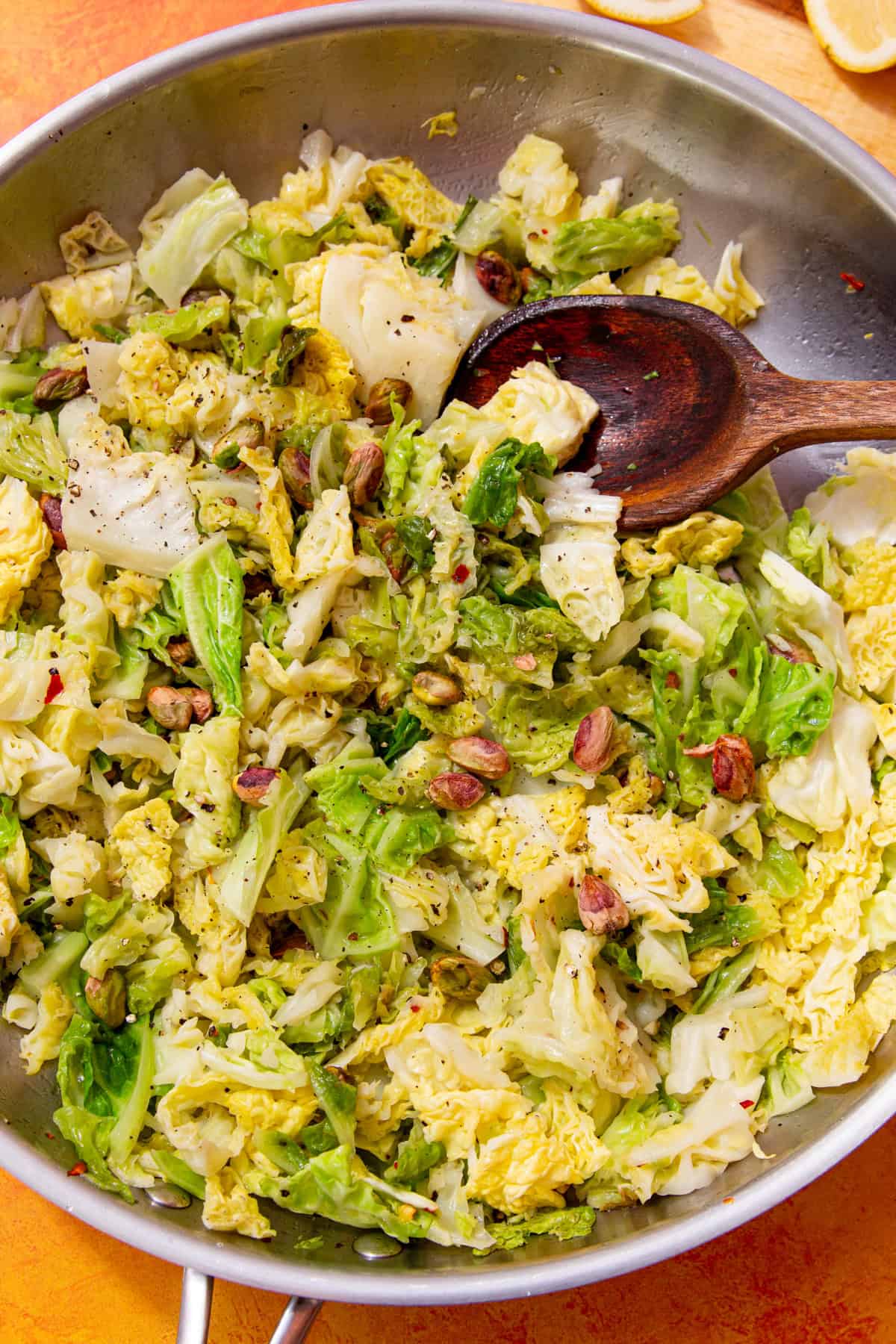
Gone are the days of boiling savoy cabbage like your granny – and honestly, once I tried sautéeing it, I never went back. This is hands-down the BEST way to cook cabbage – quick, budget-friendly and it could not be easier. The simplicity & flavor will have people requesting this side dish at every meal! The Easiest Creamed Cabbage Recipe Ever is definitely another one to try if you’re looking for more savoy cabbage recipes.
A Quick Look At The Recipe
- ✅ Recipe Name: Easy Sauteed Savoy Cabbage (The Best Way to Cook It)
- 🕦 Ready in: 17 minutes
- 🤝 Serves: 4
- 🍴 Calories: 242kcal
- 🧑🍳 Main ingredients: savoy cabbage, salted butter, pistachios, garlic
- ✨ Summary: This easy sauteed savoy cabbage recipe is ready in less than 20 minutes and makes the perfect side dish for any meal. No boiling needed!
Why you’ll love this recipe
- Simple flavors: The only flavors beyond the flavor of the savoy cabbage itself are butter and salt. Two of the best ways to flavor any vegetable in my opinion! If what you have is white cabbage, try it in this Tonkatsu Inspired Pork & Cabbage Salad.
- Easy recipe: No more messing with boiling water! Cooking savoy cabbage in a skillet is one of those techniques that makes you wonder why you ever did it any other way. For another super easy side, make sure to try my Rocket Salad with Sun-Dried Tomatoes next.
- Budget friendly: Cabbage is one of the cheapest veggies you can find at the grocery… probably because nobody knows what to do with it! But guess what… now you will know how to cook savoy cabbage in an incredibly delicious way.
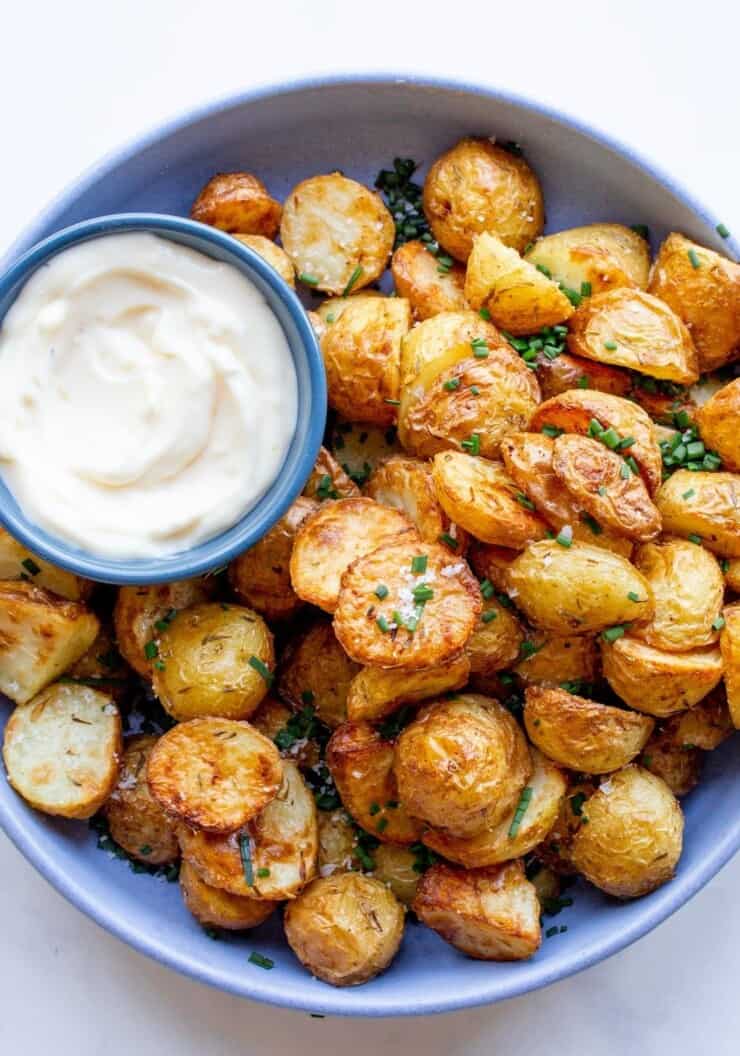
Need inspiration for some other side dishes? Try my Diced Air Fryer Potatoes, Smashed Broccoli with Parmesan and Frozen Cauliflower Rice.
Table of Contents
Ingredients
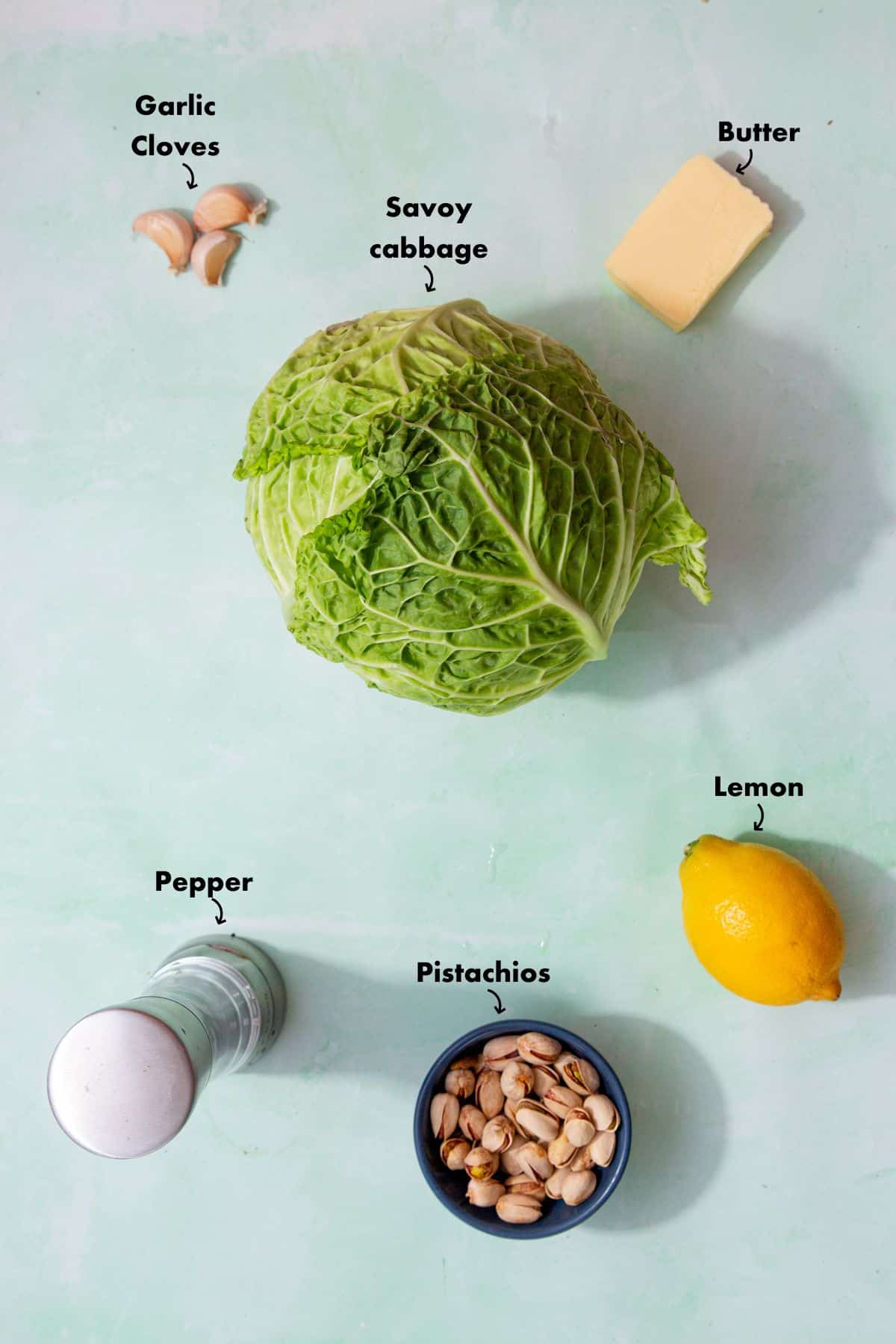
- Savoy Cabbage Head: I like savoy (or curly cabbage) the best for this recipe due to its mild flavor and crisp tender leaves. If you have red cabbage, please try my Easy Braised Red Cabbage with Apples and Onions instead.
- Butter: The bonus to using butter in this recipe is that it helps cook and crisp up the cabbage, caramelizing the outside, and adding buttery flavor . . . which is always a plus!
- Pistachios: This is my secret to taking basic sauteed savoy cabbage over the top. Unlike your usual savoy cabbage recipe that turns out a bit soggy (particularly the boiled cabbage recipes) the sweet, nutty crunch from the pistachios adds a whole new enticing layer of flavor and texture to this recipe.
See the recipe card for full information on all ingredients and quantities.
Variations/ Adaptations
- Use different types of cabbage: If you are having trouble finding savoy cabbage, you can try using Napa (or Chinese cabbage) or Sweetheart cabbage in this recipe.
- Try different butters: Serve with my cowboy butter or my homemade butter . Or you can substitute the butter for vegan butter if you are vegan.
- Tweak the seasoning: Feel free to try adding your favorite seasoning or dressing to the sauteed savoy cabbage for a different flavor and twist to this recipe. For those who are watching their salt intake, you can of course lower the amount of salt you use on your cabbage.
How to Cook Savoy Cabbage on the Stove
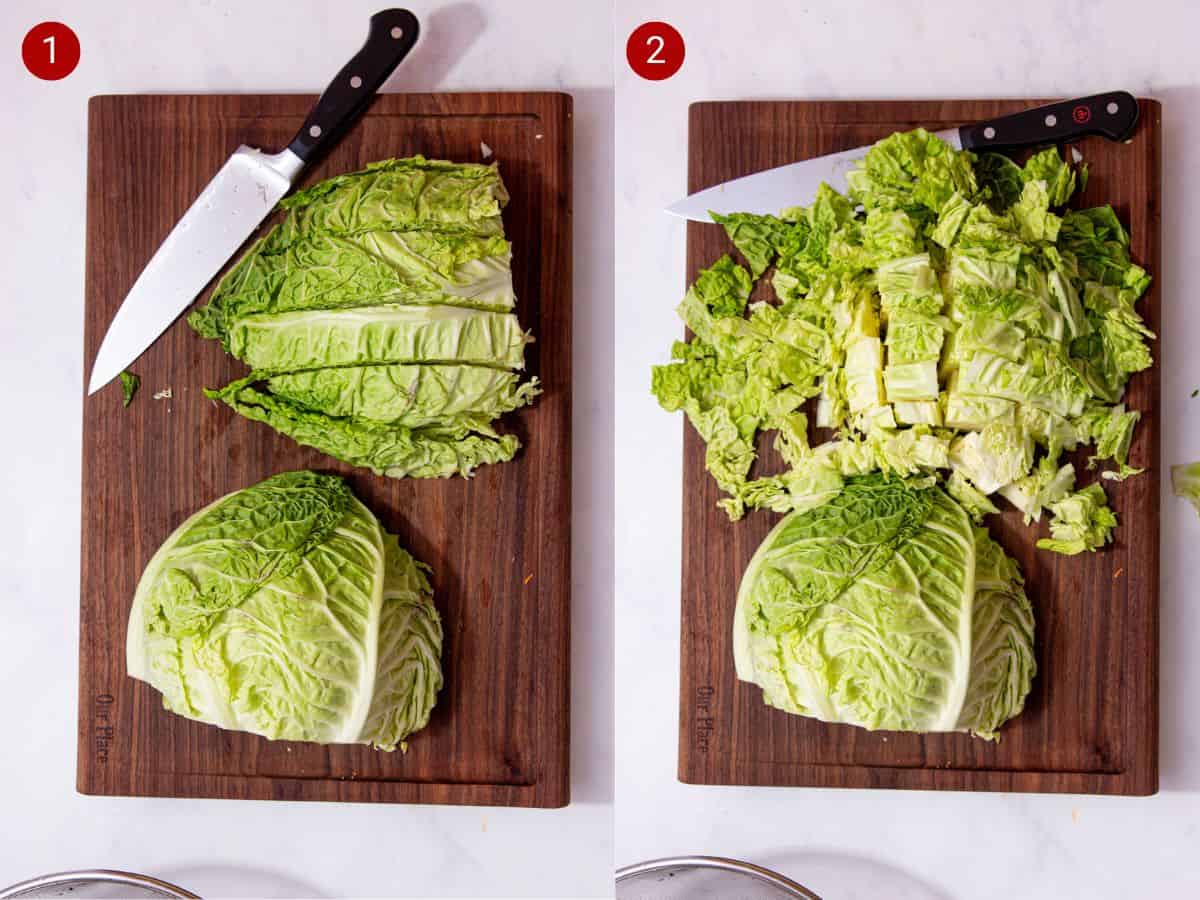
- On a chopping board, start by thinly slicing the cabbage (Image 1).
- Then thinly slice across to cut the cabbage into smaller pieces (Image 2).
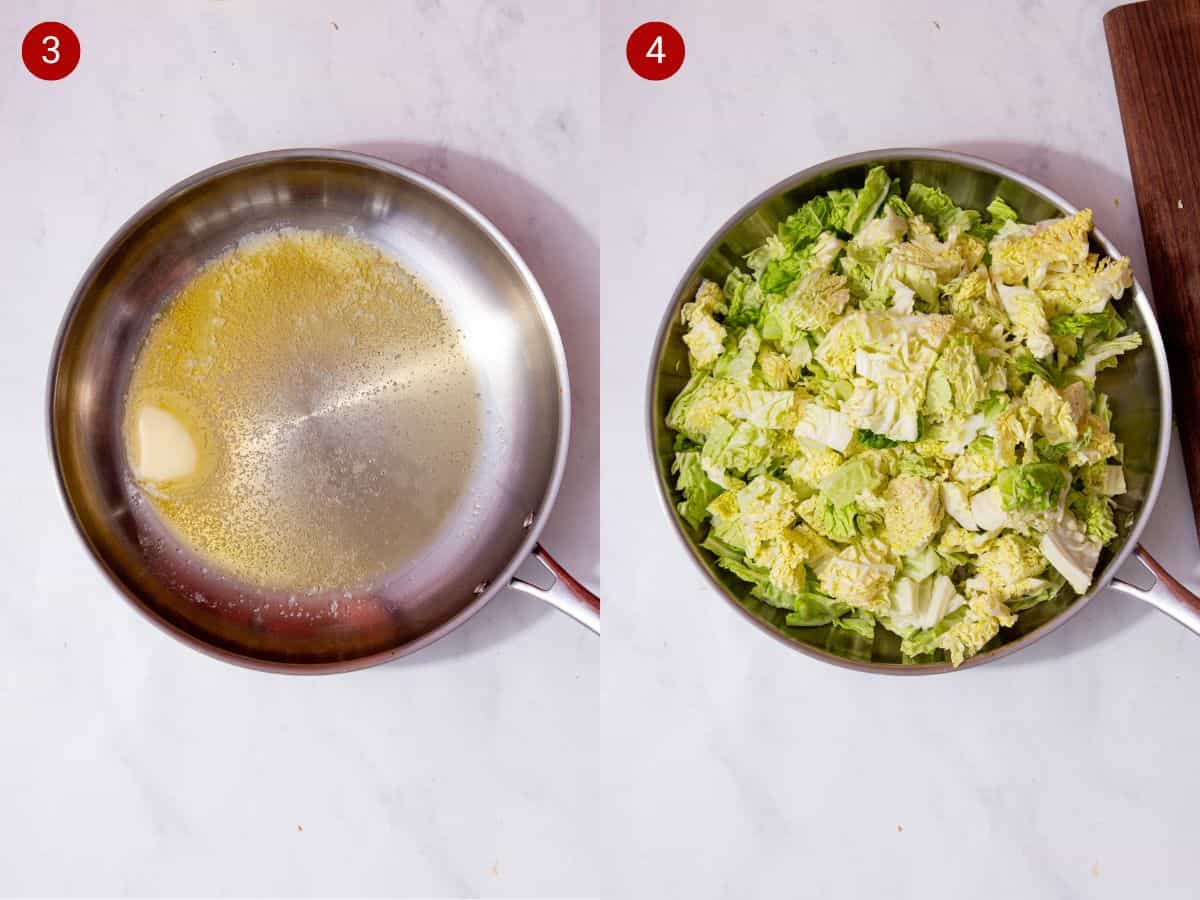
3. To a large pan, add the butter and melt over a medium heat (Image 3).
4. Next, add the savoy cabbage into the pan (Image 4).
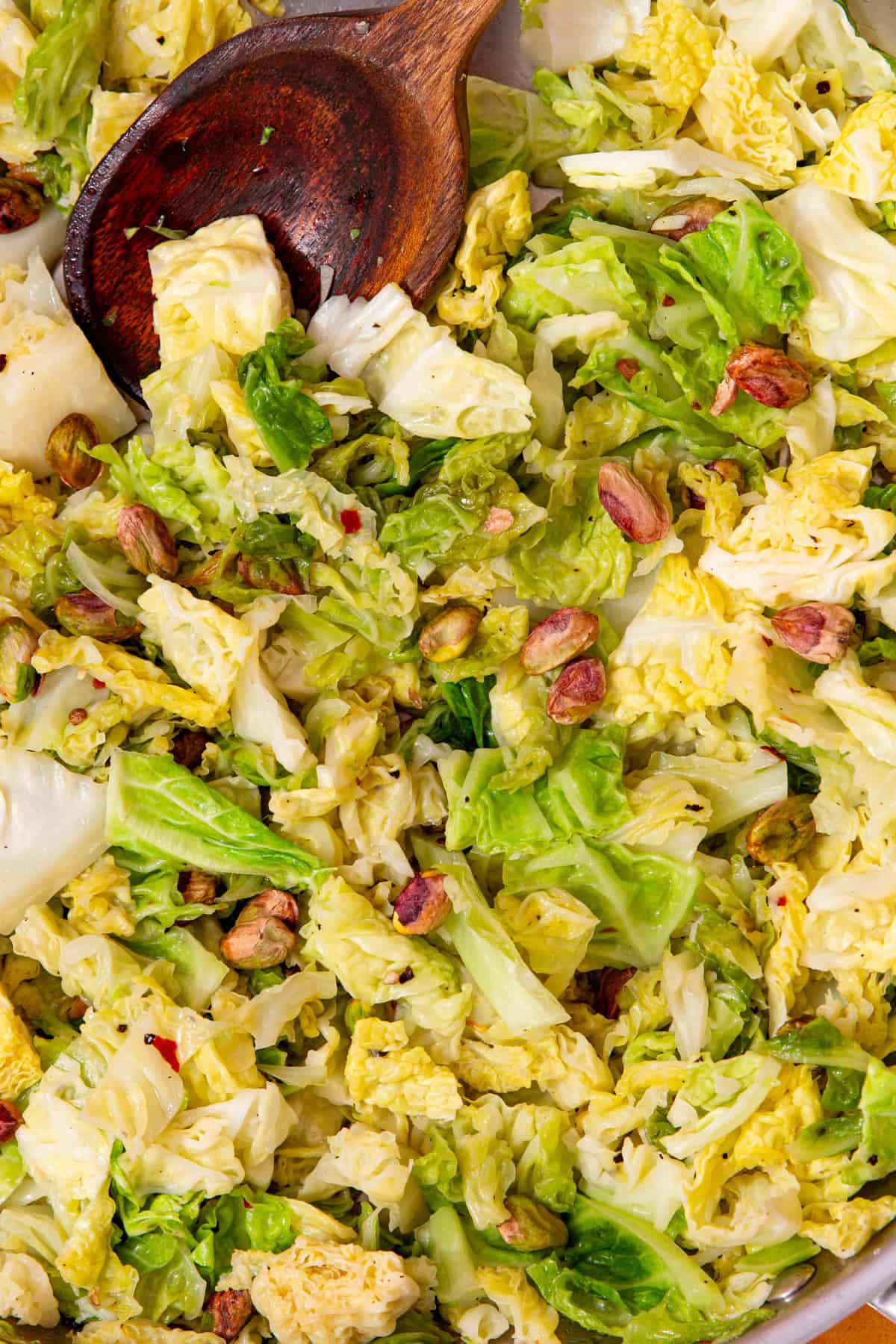
5. Season with salt and pepper and saute for 10 to 15 minutes. In the final 2 minutes, add the red pepper flakes, half the pistachios and garlic. Stir to ensure everything is fully incorporated (Image 5).
6. Once the cabbage has softened and cooked through. Turn off the heat and add the lemon juice. Stir through, then serve with a crack of black pepper, the remaining pistachios and a pinch of salt (Image 6).

If you’re looking for protein-packed sides next, check out Crispy Soy Chicken Wings (No Frying Needed!), Crunchy Shake and Bake Chicken, Smoked Mackerel Pâté, and Healthy Buffalo Chicken Dip.
Tips for the best result
- For less servings, it is okay to just make half the savoy cabbage and store the other half in the fridge until you are ready to use it.
- Using a large sharp knife to cut the slices is essential. It is faster and easier than using a small knife.
- Don’t overcrowd the pan. If you have a large head of cabbage, it might seem like too much at first, but just keep folding it in as it wilts down. It shrinks a lot!
- Savoy cabbage cooking time can vary slightly depending on how thinly you slice it. I usually check it at 10 minutes. You want it tender but still with a tiny bit of bite, not completely soft.
What is Savoy Cabbage and How to Prepare It
If you’ve never cooked with savoy cabbage before, here’s what to look for at the shops: a round head with dark green, crinkly leaves that fan out rather than wrapping tight like regular green cabbage. It kind of looks like a giant ruffled flower – you’ll know it when you see it. Savoy cabbage is also sometimes called Milan cabbage or Lombard cabbage, and it’s one of the mildest, sweetest cabbages you can find. Much less bitter than regular green cabbage, which makes it perfect for a quick saute.
Before you cook it, prep is simple. Peel off the outer leaves, give the whole head a rinse under cold water, then slice it thinly using a large sharp knife. The thinner the slices, the more tender and flavourful the result. Savoy cabbage is a cool-weather crop, so you’ll find it most easily from autumn through winter, which also makes it the perfect side dish for a Sunday roast on a cold evening in my opinion.
Nutrition-wise, it’s a solid win too. Savoy cabbage is high in Vitamin C, potassium, magnesium, and fibre, and it’s naturally low in carbs, making it a great option if you’re eating keto or low-carb.
Do you have to boil cabbage?
I am sure you have heard of boiled savoy cabbage. Whether it was your grandmother’s recipe that smelled up the whole house, or the fad diet from a few years ago that claimed eating only cabbage soup was the way to lose weight. And yes you can boil cabbage. But do you have to? Absolutely not!
In this recipe, I will show you how to make cooked cabbage sauteed in a skillet with some butter and salt to give you a new twist on how to cook cabbage for roast dinner or any other meal that needs a side dish. Sautéing also keeps far more of the nutrients intact. Things like Vitamin C, folate, and Vitamin K get washed away with boiling water.

Serving Suggestions
Sauteed savoy cabbage can be served as a side dish alongside so many different meals. My favorite meal is likely a roast dinner, however, you can serve it with many other meals as well – any meat, vegetable, or starch like potatoes.
Try it with:
Leftover Storage and Reheat Instructions
Refrigerator: Store raw leftovers in the refrigerator until the cabbage begins to brown and leaves get soft and wilted. Store cooked savoy cabbage in the refrigerator for up to 4 days in an airtight container.
Freezer: You can also freeze cabbage that is raw or that has been cooked. Store either in the freezer for up to three months in an airtight container.
Reheat: Warm in a skillet over medium-low heat for 2-3 minutes, or microwave in a covered dish for 1-2 minutes.
FAQs
There are many ways to cook savoy cabbage. You can boil it, grill it, roast it, or in this case, saute it. Sautéing it in a skillet with butter is by far the best way, as it keeps the leaves tender, slightly caramelised, and full of flavour without any of the soggy smelly mess that comes with boiling.
You will know cabbage is bad if there is a bad smell coming from it, the outer leaves are brown and wilted, and the leaves are soft instead of tough and strong.
Yes, savoy cabbage is dark green on the outside, but normally has a yellow and whitish color on the inside. This is completely safe to eat.
On the stove in a skillet, savoy cabbage takes about 10-15 minutes over medium heat to become perfectly tender. No need to boil it first.
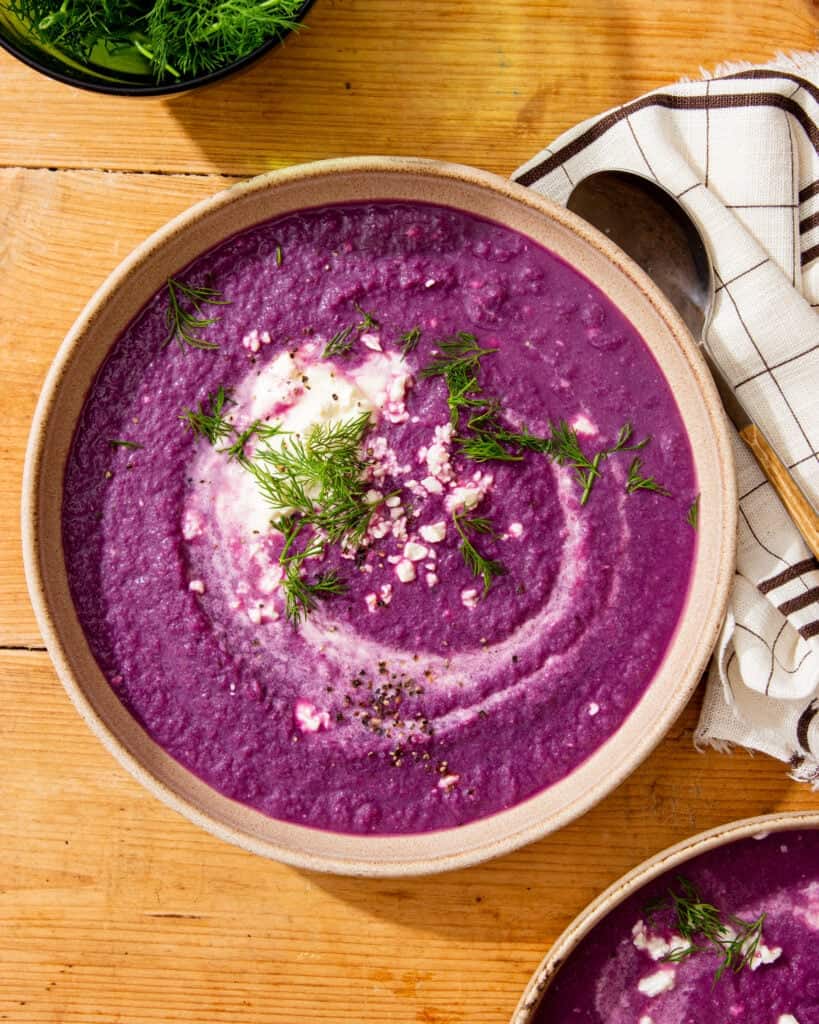
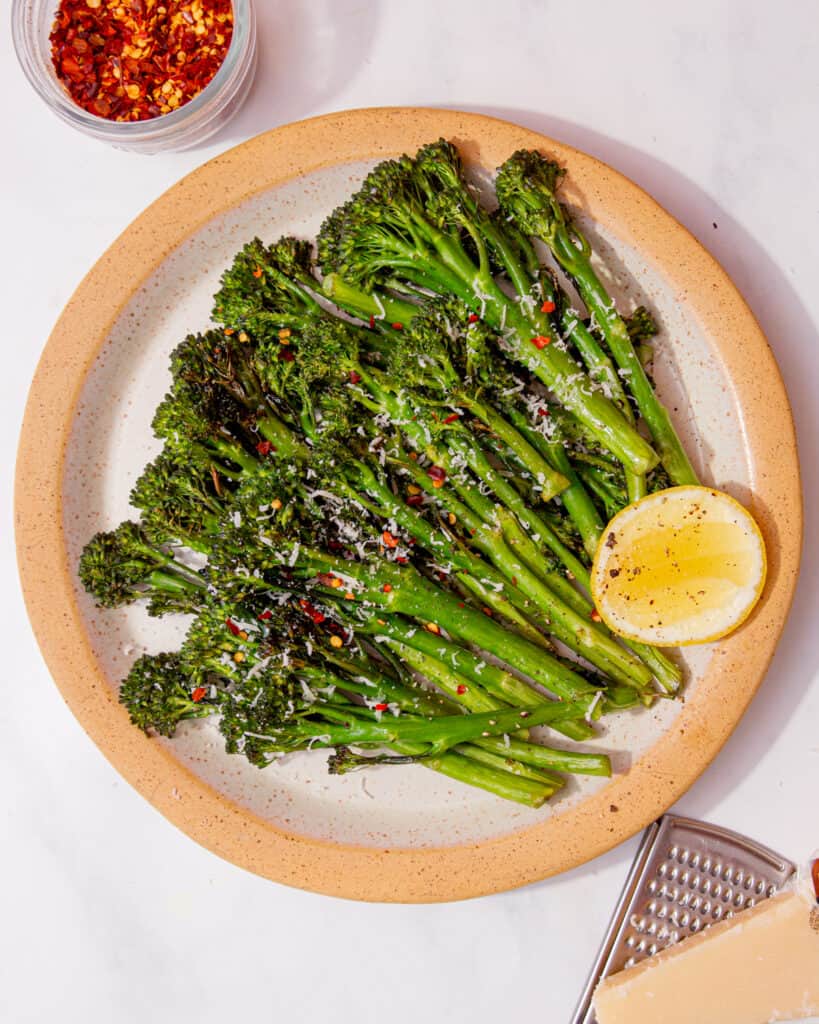
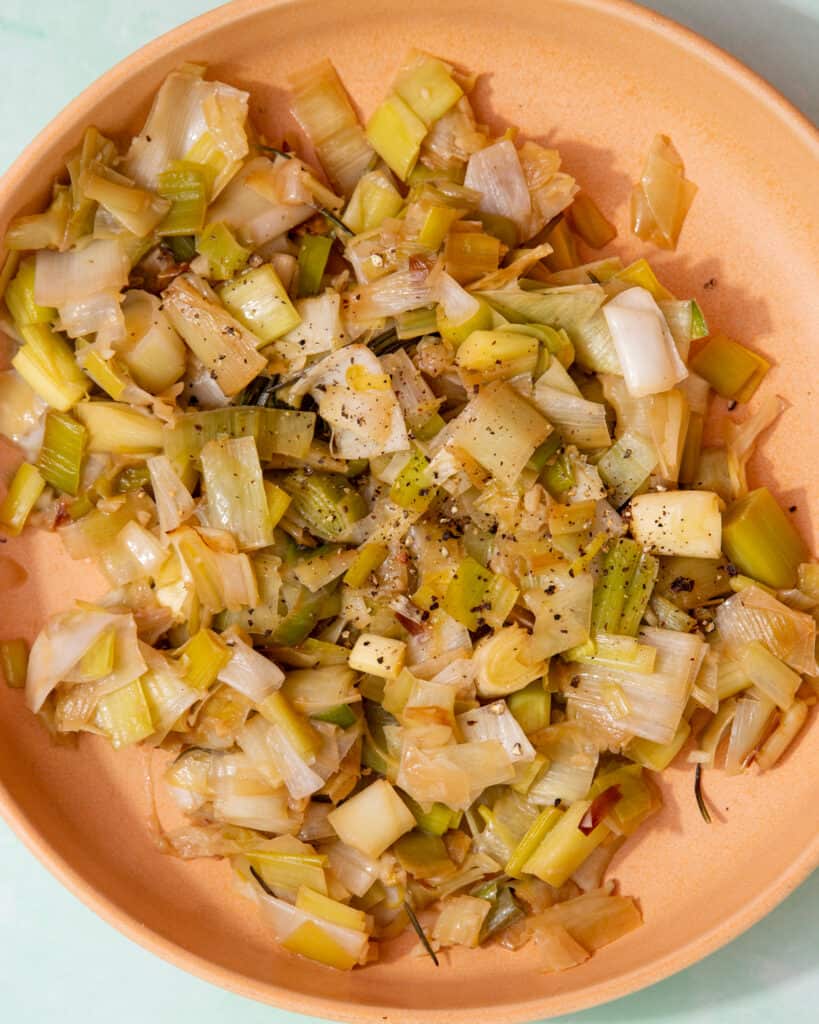
Here are some other veggie side dishes to try: Sauteed Leeks, Roasted Tenderstem Broccoli and Roasted Parsnips.

If you tried this Easy Sauteed Savoy Cabbage recipe, it would mean so much to me if you couldleave a review & a star rating to let me know how you found it! I love hearing about your experiences – it motivates me to keep creating more and more recipes for you guys 💛 Let’s get cooking! – Mimi x
Easy Sauteed Savoy Cabbage

Ingredients
- 1 x head of savoy cabbage, thinly sliced (£0.75)
- 3 cloves of garlic, thinly sliced (£0.39)
- 50 g salted butter (£1.69/5)=(£0.34)
- 50 g salted pistachios (£2.75/4)=(£0.69)
- Juice of half a lemon (£0.30)
Cupboard Essentials
- 1 tsp red pepper flakes
- Salt and Pepper
Method
- To a large pan, add the butter and melt over a medium heat. Next, add the savoy cabbage into the pan.
- Season with salt and pepper and saute for 10 to 15 minutes. In the final 2 minutes, add the red pepper flakes, half the pistachios and garlic.
- Once softened and cooked through. Turn off the heat and add the lemon juice. Stir through, then serve with a crack of black pepper, the remaining pistachios and a pinch of salt.
Notes
Nutrition

Comments